⚜️ Gold has captivated humanity for over 6,000 years. From the tombs of Egyptian pharaohs to modern central bank vaults, this precious metal has served as currency, jewelry, technology, and a symbol of eternal wealth. In this comprehensive guide, we explore gold's fascinating history, scientific properties, investment strategies, global reserves, and its enduring role in the 21st century economy.
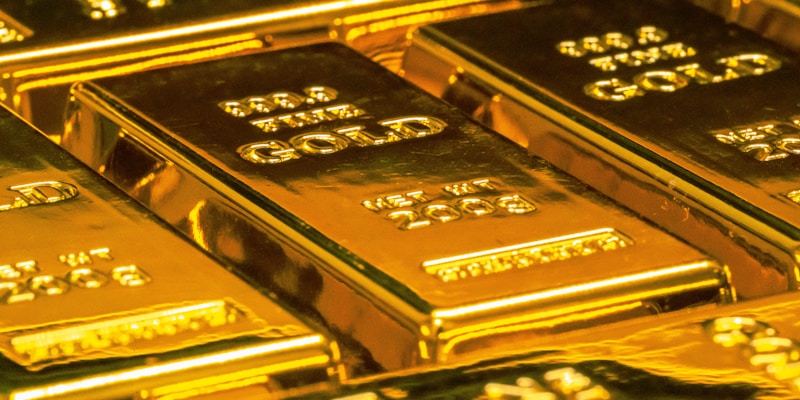
🥇 Why Gold Has Enduring Value
Gold is one of the rarest elements on Earth, comprising only about 0.004 parts per million of the Earth's crust. All the gold ever mined throughout human history would fit into a cube measuring just 23 meters (75 feet) on each side — approximately 244,000 metric tons as of 2024. Unlike paper currencies, gold cannot be printed, debased, or created at will, which is why it has preserved purchasing power across millennia.
"Gold is money. Everything else is credit." — J.P. Morgan, 1912
Central banks worldwide hold approximately 36,700 metric tons of gold in their reserves. The United States leads with 8,133.5 tons, followed by Germany with 3,352.6 tons, and the International Monetary Fund with 2,814 tons. These institutions understand what individuals are increasingly recognizing: gold is the ultimate insurance against currency devaluation and geopolitical turmoil.
244K+
Tons Mined Ever
~3,100
Tons Mined Annually
$2,100+
Price per Oz (2025)
36,700
Tons in Central Banks
47%
Used in Jewelry
17%
Central Bank Holdings
🔬 The Remarkable Science of Gold
⚛️ Atomic Properties
Gold's chemical symbol is Au (from Latin aurum), with atomic number 79. It's one of the noble metals, meaning it resists corrosion and oxidation in moist air — unlike iron which rusts, or silver which tarnishes. Gold is the most malleable of all metals: a single gram can be beaten into a sheet of 1 square meter, and one ounce can be drawn into a wire 80 kilometers (50 miles) long.
🔑 Key Physical Characteristics
- Melting Point: 1,064°C (1,947°F)
- Boiling Point: 2,856°C (5,173°F)
- Density: 19.32 g/cm³ (one of the densest metals)
- Conductivity: Excellent electrical conductor, used in high-end electronics
- Reflectivity: Reflects 99% of infrared radiation — used in astronaut visors and satellite components
- Biocompatibility: Non-toxic and inert inside the human body, used in dentistry and medical implants

📜 A Timeline of Gold in Human Civilization
4,600 BCE
First gold artifacts appear in the Varna Necropolis, Bulgaria — the oldest processed gold in human history.
2,600 BCE
Ancient Egyptians begin using gold extensively in jewelry, burial masks (including Tutankhamun's), and religious artifacts. They believed gold was the flesh of the gods.
564 BCE
King Croesus of Lydia (modern-day Turkey) mints the first standardized gold coins, revolutionizing trade and commerce.
1,300 CE
The Great Famine and Black Death in Europe cause gold hoarding; gold becomes synonymous with survival and security.
1848-1855
The California Gold Rush: over 300,000 people migrate to California, extracting approximately 750,000 pounds of gold.
1944
Bretton Woods Agreement establishes the US dollar as the world's reserve currency, backed by gold at $35 per ounce.
1971
President Nixon ends the gold standard; the "Nixon Shock" allows gold to float freely — price skyrockets from $35 to over $800 by 1980.
2024-2025
Gold surpasses $2,100 per ounce amid global inflation concerns, central bank buying sprees, and geopolitical tensions.
🏦 Top Gold-Holding Nations (2024-2025 Data)
| Rank |
Country / Organization |
Gold Reserves (Tons) |
% of Total Reserves |
| 🇺🇸 1 |
United States |
8,133.5 |
78.8% |
| 🇩🇪 2 |
Germany |
3,352.6 |
75.4% |
| 🏛️ 3 |
IMF (International Monetary Fund) |
2,814.0 |
— |
| 🇮🇹 4 |
Italy |
2,451.8 |
71.3% |
| 🇫🇷 5 |
France |
2,437.0 |
69.9% |
| 🇷🇺 6 |
Russia |
2,332.7 |
28.5% |
| 🇨🇳 7 |
China |
2,279.6 |
5.4% |
| 🇨🇭 8 |
Switzerland |
1,040.0 |
8.1% |
| 🇯🇵 9 |
Japan |
846.0 |
4.7% |
| 🇮🇳 10 |
India |
841.2 |
9.8% |
📊 Did You Know? China and Russia have been the largest gold buyers since 2015, collectively adding over 2,500 tons to their reserves as part of a strategic de-dollarization effort.
💼 How to Invest in Gold: Complete Guide
Gold investment isn't one-size-fits-all. Here's every major method ranked by accessibility and risk profile:
1. Physical Gold (Bars & Coins)
🔶 Best For: Long-term wealth preservation
Popular coins include the American Gold Eagle, Canadian Gold Maple Leaf, South African Krugerrand, and Austrian Philharmonic. Bars range from 1 gram to 400-ounce "Good Delivery" bars held by central banks. Always buy from LBMA-certified dealers. Storage options include home safes, bank safe deposit boxes, or professional vaulting services like Brinks or Loomis.
2. Gold ETFs (Exchange-Traded Funds)
📈 Best For: Liquidity and ease of trading
The SPDR Gold Trust (GLD) is the world's largest gold ETF, holding over 870 tons. Other major ETFs include iShares Gold Trust (IAU) and VanEck Gold Miners ETF (GDX) for mining company exposure. ETFs trade like stocks, offer instant liquidity, and typically charge 0.25%-0.40% annual fees.
3. Gold Mining Stocks
⛏️ Best For: Leveraged exposure to gold prices
Major producers include Newmont Corporation (NEM), Barrick Gold (GOLD), Agnico Eagle Mines (AEM), and Franco-Nevada (FNV) — the largest gold streaming company. Mining stocks often amplify gold's moves 2-3x, both upward and downward. They also pay dividends, unlike physical gold.
4. Digital Gold & Tokenized Gold
🌐 Best For: Tech-savvy, younger investors
Platforms like Paxos Gold (PAXG) and Tether Gold (XAUT) offer blockchain-based tokens backed 1:1 by physical gold stored in vaults. Each token represents one troy ounce. They combine gold's stability with cryptocurrency's transferability.
💡 Pro Tip: Most financial advisors recommend allocating 5-15% of your portfolio to gold as a hedge. During the 2008 financial crisis, gold rose 25% while the S&P 500 fell 38%. In 2020, gold surged 24% amid pandemic uncertainty.
🔌 Gold's Critical Role in Modern Technology
Beyond jewelry and investments, gold is indispensable in technology. Approximately 10-12% of annual gold demand comes from industrial applications:
- 📱 Smartphones: Each iPhone contains roughly 0.034 grams of gold in connectors, bonding wires, and contacts. With 1.5 billion phones sold annually, that's over 50 tons of gold.
- 💻 Computers: CPUs, memory chips, and connector pins use gold for its corrosion resistance and conductivity.
- 🚀 Aerospace: NASA uses gold-coated mylar in satellites and the James Webb Space Telescope's mirrors feature a 100-nanometer gold coating for infrared reflection.
- 🏥 Medicine: Gold nanoparticles are used in rapid diagnostic tests, cancer treatments, and rheumatoid arthritis therapy.
- 🔋 Clean Energy: Gold catalysts are being developed for converting CO₂ into useful fuels and improving hydrogen fuel cell efficiency.

📉📈 What Drives Gold Prices?
⬇️
Stronger USD = Lower Gold
⬆️
Inflation = Higher Gold
⬆️
Geopolitical Risk = Higher
⬇️
Rising Rates = Lower Gold
Key Factors Explained:
- US Dollar Index (DXY): Since gold is priced in USD, a stronger dollar makes gold more expensive for foreign buyers, reducing demand.
- Real Interest Rates: When inflation exceeds interest rates (negative real rates), gold becomes more attractive because cash loses purchasing power.
- Central Bank Policies: Aggressive buying by China, Russia, India, and Turkey has created a structural demand floor since 2018.
- Jewelry Demand: India and China account for over 50% of global gold jewelry consumption, especially during wedding seasons and Diwali.
- Geopolitical Crises: Wars, sanctions, and financial instability drive "safe-haven" buying — gold jumped 13% in the month following Russia's 2022 invasion of Ukraine.
"Gold gets dug out of the ground in Africa, or someplace. Then we melt it down, dig another hole, bury it again and pay people to stand around guarding it. It has no utility. Anyone watching from Mars would be scratching their head." — Warren Buffett
(Yet even Buffett's Berkshire Hathaway bought Barrick Gold shares in 2020.)
🧠 Gold Myths vs. Reality
| Myth |
Reality |
| "Gold is the best-performing asset" |
Long-term, stocks (S&P 500) have outperformed gold by ~3x since 1971. Gold excels during crises, not necessarily during economic booms. |
| "There's not much gold left to mine" |
Estimated underground reserves: ~57,000 tons. However, easy-to-reach deposits are declining; new discoveries peaked in 1995. |
| "Gold pays no yield, so it's useless" |
Gold's "yield" is its purchasing power preservation. A gold ounce bought a fine suit in 1920 — and still does today. The same cannot be said for $20 in paper currency. |
| "Digital currencies will replace gold" |
Central banks are buying record amounts of gold while developing CBDCs, suggesting they view them as complementary, not competitive. |
🕵️ Infamous Gold Heists & Lost Treasures
1983 - Brink's-Mat Robbery
£26 million in gold bullion stolen from Heathrow airport. Most gold was smelted and sold back into the market. Only a fraction recovered.
1857 - SS Central America
The "Ship of Gold" sank carrying 30,000 pounds of gold from the California Gold Rush. Rediscovered in 1988 at 8,000 feet depth. Value: ~$150 million.
1945 - Yamashita's Gold
Alleged WWII Japanese treasure hidden in Philippine caves. Estimated value: billions. Multiple expeditions; never conclusively found.
2019 - Brazilian Airport Heist
Armed gang stole 750 kg of gold (~$40 million) from São Paulo's Guarulhos Airport by impersonating police officers.
🔮 The Future Outlook for Gold (2025-2035)
⚠️ Important Considerations: Analysts at Goldman Sachs, UBS, and Bank of America project gold reaching $2,500-$3,500/oz by 2030, driven by central bank demand, de-dollarization trends, and limited new mining supply. However, a strong dollar reversal or technological breakthroughs in asteroid mining could alter these projections significantly.
Key trends to watch:
- BRICS Gold-Backed Currency: Brazil, Russia, India, China, and South Africa are exploring a trade currency partially backed by gold to challenge the dollar's dominance.
- Green Gold Mining: Companies are investing in carbon-neutral mining using renewable energy and recycling e-waste (urban mining recovers ~300 tons of gold annually).
- Space Mining: Asteroid 16 Psyche contains an estimated $700 quintillion worth of metals, including gold. NASA's Psyche mission launched in 2023, arriving in 2029.
- Tokenization: Blockchain technology is making fractional gold ownership accessible to billions of people with just a smartphone.
📊 Live Gold Price Chart
🪙 Buy Gold Coins
🌍 World Gold Council
"The desire for gold is the most universal and deeply rooted commercial instinct of the human race."
— Gerald M. Loeb
Comments
Post a Comment